
HEALTH
Recuperbate: The Ultimate Guide to Recovery and Wellness


Welcome to the world of Recuperbate, where recovery and wellness take centre stage. In our fast-paced lives, it’s easy to overlook the importance of taking a step back and nurturing ourselves. Whether you’re an athlete pushing your limits or someone navigating daily stressors, understanding how to prioritize recovery can significantly enhance your overall well-being.
Imagine feeling energized, focused, and ready to tackle whatever comes your way. This guide will walk you through practical techniques for physical recovery, mental health practices that promote optimal wellness, nutritional tips for fueling your body right, and much more. It’s time to embrace a holistic approach that supports not just surviving but thriving.
Are you ready to unlock the secrets of effective recovery? Let’s dive into this journey toward better health together!
What is Recovery and Wellness?
Recovery and wellness are intertwined concepts that emphasize the importance of holistic health. Recovery refers to the process of healing, whether from physical exertion or emotional stress. It’s about allowing your body and mind to rejuvenate after challenges.
Wellness goes beyond the mere absence of illness; it encompasses a state of complete physical, mental, and social well-being. This means actively engaging in behaviours that promote long-term health.
Both recovery and wellness focus on self-care practices tailored to individual needs. They encourage mindfulness, balance, and intentionality in everyday life choices.
Understanding these principles equips you with the knowledge to cultivate a healthier lifestyle—a journey where small changes can lead to significant improvements in quality of life.
The Importance of Prioritizing Recovery and Wellness
In today’s fast-paced world, recovery and wellness often take a backseat. People push through exhaustion in pursuit of goals, neglecting their well-being. This approach can lead to burnout and diminished performance.
Prioritizing recovery isn’t just about physical rest; it fuels productivity and creativity. When your body is refreshed, so is your mind. You make better decisions and engage more fully with life’s experiences.
Furthermore, focusing on wellness fosters resilience against stressors. It builds mental fortitude that helps you navigate challenges effectively. By investing time in self-care practices like meditation or light exercise, you cultivate a healthier mindset.
Ignoring these essential aspects can result in long-term health issues. Embracing a holistic view of wellness ensures longevity both personally and professionally while enhancing overall quality of life.
Physical Recovery Techniques: Stretching, Foam Rolling, and Massage
Physical recovery is essential for anyone engaged in regular exercise or intense physical activity. Stretching plays a crucial role in enhancing flexibility and preventing injuries. Incorporating dynamic stretches before workouts can prepare your muscles, while static stretching afterwards helps to release tension.
Foam rolling is another powerful technique that targets muscle tightness and knots. This self-myofascial release method improves blood flow and promotes faster recovery. Rolling out sore areas can feel uncomfortable but provides significant relief over time.
Massage therapy complements these techniques beautifully. It not only alleviates muscle soreness but also reduces stress levels. Regular massages enhance circulation, aiding the body’s natural healing processes.
These methods work harmoniously together, creating a robust foundation for your recovery routine. Embracing them can significantly improve your overall wellness journey as you continue to push your limits.
Mental Health Practices for Optimal Wellness
Mental health is a cornerstone of overall wellness. It influences how we think, feel, and act. Prioritizing mental health practices can lead to profound changes in our quality of life.
Mindfulness meditation is one effective technique. Spending just a few minutes each day focused on the present moment helps reduce anxiety and stress. Breathing exercises also play a crucial role; they ground you when thoughts spiral.
Journaling serves as an emotional outlet. Writing down feelings clarifies your mind and provides insights into patterns that may affect well-being.
Engaging in creative activities like painting or playing music fosters self-expression and relaxation. These hobbies ignite joy while acting as therapeutic outlets.
Don’t underestimate the power of social connections. Talking with friends or family about your experiences creates a support network that enhances resilience during tough times.
Nutrition for Recovery and Wellness
Nutrition plays a pivotal role in recovery and wellness. The right foods can aid healing, boost energy levels, and enhance overall performance.
Incorporating whole foods into your diet is fundamental. Fresh fruits, vegetables, lean proteins, and healthy fats provide essential nutrients that promote muscle repair and reduce inflammation.
Hydration cannot be overlooked either. Water helps transport nutrients throughout the body while flushing out toxins. A well-hydrated body functions optimally during workouts and daily activities.
Consider timing your meals around physical activity as well. Consuming carbohydrates before exercise fuels energy reserves, while protein intake post-workout supports muscle synthesis.
Don’t shy away from experimenting with superfoods like quinoa or spirulina for an extra nutrient boost. They pack powerful benefits without overwhelming your digestive system.
Listening to your body’s cravings can also guide you toward what it needs most at any given time. Trusting yourself fosters a more intuitive approach to nutrition for recovery and wellness.
Supplementing Your Recovery Regimen
Supplementing your recovery regimen can be a game-changer. It’s not just about what you eat; it’s also about enhancing your body’s natural healing processes.
Consider adding vitamins and minerals that support muscle repair and energy production. Magnesium, for instance, helps with muscle relaxation after intense workouts. Omega-3 fatty acids are known for their anti-inflammatory properties, which can speed up recovery.
Collagen supplements have gained popularity due to their potential benefits for joint health. They may help improve flexibility and reduce soreness after exercise.
Looking into adaptogens like ashwagandha or rhodiola can bolster your body’s resilience against stress. These herbs may enhance both physical performance and mental clarity.
Always consult with a healthcare professional before starting any new supplement routine to ensure it aligns with your individual needs and goals. Tailoring your approach allows you to maximize the benefits of supplementation in your recovery journey.
Making Time for Self-Care and Rest
In our busy lives, carving out time for self-care often feels like a luxury. Yet, it’s essential for true wellness. Prioritizing moments of rest can rejuvenate both body and mind.
Consider small rituals that bring you joy. Whether it’s sipping tea while reading a book or taking a leisurely walk in nature, these activities recharge your spirit.
Create boundaries around your schedule. Dedicating even 15 minutes daily to unwind can make all the difference. Use this time to breathe deeply or simply enjoy silence.
Don’t feel guilty about prioritizing yourself. Self-care is not selfish; it enables you to give more fully to others when needed.
Remember that rest isn’t just about sleep—it’s also about engaging in fulfilling hobbies or exploring creative outlets. Embrace the art of doing nothing some days; it’s vital for your overall well-being and recovery journey.
The Role of Community in Recovering and Maintaining Wellness
Community plays a vital role in the journey toward recovery and wellness. Connecting with others fosters support, accountability, and motivation. When you share your experiences and challenges, it creates a sense of belonging.
Engaging with like-minded individuals who understand your struggles can be incredibly healing. Whether it’s through group therapy sessions or local fitness classes, these connections encourage personal growth.
Communities often provide resources that enhance your wellness journey. Workshops on mental health strategies or nutrition seminars are just a few examples of what may be available nearby.
Additionally, celebrating milestones together builds confidence and reinforces positive habits. The encouragement from peers amplifies your efforts.
Don’t underestimate the power of shared experiences; they can truly transform how you approach recovery. Embracing the community opens doors to new perspectives and practices essential for maintaining long-term wellness.
Striking a Balance: Balancing Work, Fitness, and Rest
Striking a balance between work, fitness, and rest is crucial for achieving optimal recovery and wellness. Life often feels like a juggling act. We have our careers demanding attention, fitness goals pushing us to excel, and the vital need for downtime that we can’t ignore.
First, set boundaries in your work life. Establishing clear start and end times can help foster productivity while ensuring you don’t become overwhelmed. Consider implementing techniques like time blocking to manage tasks efficiently.
Next comes fitness—an essential component of overall health but one that requires careful planning to fit into your busy schedule. Whether it’s quick high-intensity workouts or yoga sessions at home, find activities that resonate with you without feeling like another obligation.
Rest should never be an afterthought; it’s as important as exercise itself. Listen to your body’s cues. Schedule regular breaks throughout the day and prioritize quality sleep each night—you’ll notice how this rejuvenates both body and mind.
Remember that flexibility is key when balancing these elements of life. Some days will lean more towards work while others may focus on self-care or fitness routines. Adaptability ensures you’re not only surviving but thriving in all areas of your life.
By valuing each aspect—work commitments, physical activity, and necessary rest—you pave the way toward sustainable recovery practices through tools like Recuperbate that support long-term wellness strategies.

Living with chronic pain can feel like an uphill battle that never seems to end. For those dealing with Inomyalgia, the struggle is all too real. This condition goes beyond just discomfort; it affects daily life in profound ways. Imagine waking up each day feeling exhausted and sore, even after a full night’s sleep. The frustration can be overwhelming, but understanding this condition is the first step toward reclaiming your life.
In this blog post, we’ll explore what Inomyalgia really means—its causes and symptoms—and provide practical strategies for managing the physical and emotional toll it takes on you. You’ll find tips on nutrition and exercise tailored for your needs as well as mental health strategies to help you cope better. Plus, we’ll discuss how connecting with others can make a world of difference in your journey towards healing.
Let’s dive into discovering effective ways to navigate life while living with Inomyalgia so you can start feeling more empowered today!
Understanding Inomyalgia: Causes and Symptoms
Inomyalgia is a complex condition characterized by widespread musculoskeletal pain, fatigue, and tenderness in localized areas. Its exact cause remains elusive, making it a challenging diagnosis for many.
Researchers believe that genetic factors, infections, and physical or emotional trauma may contribute to its development. Additionally, abnormalities in the way the brain processes pain signals could play a significant role.
Symptoms often extend beyond just pain. Individuals might experience sleep disturbances, cognitive difficulties often referred to as “fibro fog,” and heightened sensitivity to touch or temperature changes.
Many people report increased symptoms during times of stress or after physical exertion. Understanding these triggers can be crucial for managing day-to-day life with Inomyalgia effectively. Recognizing how this condition manifests varies from person to person adds another layer of complexity to living with it.
The Physical Toll of Chronic Pain
Chronic pain takes a significant toll on the body. The constant discomfort can lead to fatigue, disrupting sleep patterns and draining energy levels. Daily tasks may feel overwhelming, making simple activities like walking or even sitting unbearable.
Muscles often tense up in response to pain, causing additional strain. This tension contributes to further aches and stiffness, creating a vicious cycle that’s hard to break. Many people with chronic pain notice changes in their posture as they try to find relief.
Joint issues may arise when movement becomes restricted over time. This limitation can decrease overall mobility, leading individuals into a sedentary lifestyle that impacts cardiovascular health.
Moreover, the physical manifestations of chronic pain are closely linked with emotional well-being. Frustration from not being able to engage fully in life adds an extra layer of stress and anxiety for those affected by it.
Coping Mechanisms for Managing Pain
Managing chronic pain requires a toolbox of coping mechanisms. Each person’s experience is unique, so it’s essential to find what works best for you.
Mindfulness and meditation can be powerful tools. They help shift focus away from the pain and promote relaxation. Even just a few minutes each day can make a difference.
Deep breathing exercises can also alleviate tension in your body. When practiced regularly, they serve as an effective way to ground yourself during painful moments.
Engaging in hobbies or creative activities provides distraction and joy. Whether it’s painting, knitting, or gardening, immersing yourself in something enjoyable helps take your mind off discomfort.
Establishing a routine offers structure amidst chaos. Consistency creates stability and encourages positive habits that support overall well-being.
Journaling allows for emotional expression. Writing about your experiences fosters understanding and aids in processing feelings associated with living with Inomyalgia.
Nutrition and Exercise Tips for those with Inomyalgia
Nutrition plays a key role in managing Inomyalgia. Focus on whole foods, rich in antioxidants and omega-3 fatty acids. Leafy greens, berries, nuts, and fish can help reduce inflammation.
Stay hydrated as well. Water supports overall health and can alleviate some pain symptoms. Herbal teas may also provide soothing effects.
Exercise might seem daunting when living with chronic pain, but gentle movement is beneficial. Consider low-impact activities like swimming or yoga. These exercises promote flexibility while being easy on the joints.
Listen to your body; rest when needed and don’t push too hard. Short walks throughout the day can boost mood without causing fatigue.
Remember that consistency is more important than intensity. Small adjustments over time lead to significant improvements in both physical wellbeing and emotional resilience for those with Inomyalgia.
Mental Health Strategies for Dealing with Chronic Pain
Living with Inomyalgia can take a toll on your mental health. It’s vital to address these emotional challenges proactively.
Mindfulness techniques, such as meditation and deep breathing, can help center your thoughts. These practices may reduce anxiety and improve overall well-being.
Journaling is another effective tool. Writing down feelings allows for self-expression and reflection. It provides clarity in moments of confusion.
Engaging in creative outlets—like art or music—can also be therapeutic. Creativity offers an escape from pain while boosting mood.
Connecting with loved ones fosters support that’s crucial during tough times. Regular communication builds a network of encouragement.
Consider speaking with a therapist familiar with chronic pain issues. Professional guidance can provide tailored strategies that resonate personally with your experience.
Finding Support: Connecting with Others and Seeking Professional Help
Finding a supportive community can be incredibly beneficial for those dealing with Inomyalgia. Connecting with others who share similar experiences can provide comfort and understanding. Online forums, social media groups, or local support meetings offer safe spaces to discuss challenges and triumphs.
Don’t hesitate to seek professional help when needed. Therapists specializing in chronic pain management can equip you with tools to cope better. Their insights might reveal new strategies tailored specifically for your situation.
Consider reaching out to healthcare providers as well. They often have resources or recommendations for support networks in your area. Building a strong foundation of professional guidance complements the emotional bonds you create within your community.
Remember that sharing your journey fosters resilience, both individually and collectively. It’s essential to acknowledge that you’re not alone on this path; many are navigating similar struggles alongside you.
Conclusion: Living a Fulfilling Life with Inomyalgia
Living with Inomyalgia can be a challenging journey, but it is possible to find ways to manage the pain and lead a fulfilling life. By understanding the condition and its symptoms, individuals can take proactive steps towards better health. Implementing coping mechanisms tailored to personal needs can make daily challenges more manageable.
Nutrition plays an essential role in maintaining energy levels and reducing inflammation. A balanced diet combined with gentle exercise promotes overall well-being. Additionally, nurturing mental health through mindfulness practices or therapy contributes significantly to emotional resilience.
Support from friends, family, or support groups creates a sense of community that alleviates feelings of isolation. Professional help should not be overlooked; healthcare providers can offer valuable resources for pain management.
Embracing small victories each day helps foster hope and encourages living fully despite the limitations imposed by Inomyalgia. It’s about creating moments of joy amidst the struggle and finding strength within oneself to persist on this unique path.

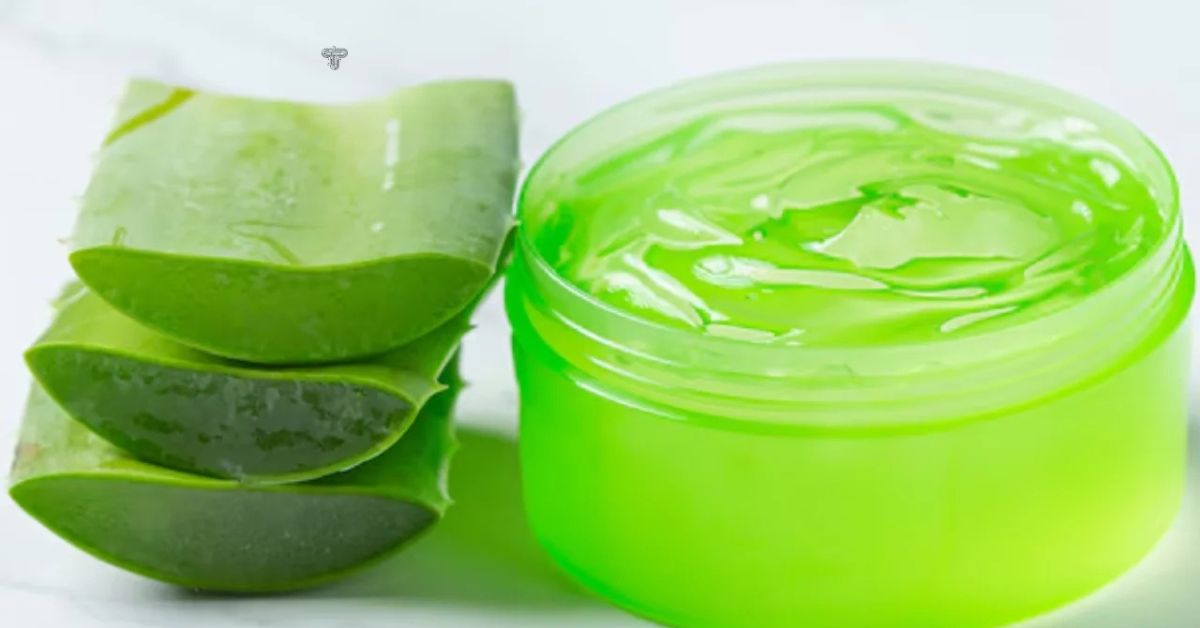
‘Every culture has its own set of unique words that are tied to history, land, and lifestyle. One such word that holds charm and curiosity is gel ooru. It’s a term that echoes cultural roots, connects people to their heritage, and tells a story far beyond just a literal meaning. When we explore gel ooru, we uncover not only its etymology but also the emotions and values it represents. Whether you’ve heard it in a song, a traditional saying, or from someone reminiscing about their past, gel ooru invites a deeper dive into its significance.
What Does Gel Ooru Mean?
Gel ooru can be interpreted as a term referring to one’s native place or village. In some South Asian languages, particularly in Kannada or other Dravidian roots, the phrase is often used to describe one’s hometown or ancestral land. It’s not just a place—it’s an identity. The very sound of gel ooru brings to mind images of fields, childhood memories, old temples, and simpler times. It speaks to where someone comes from, both geographically and emotionally.
The Emotional Weight Behind Gel Ooru
For many, gel ooru isn’t just about geography. It’s where their grandparents lived, where childhood summers were spent, or where family traditions were passed down. Even for those who’ve left their gel ooru for education or work in cities, there’s always a tug at the heart when they speak of it. The phrase holds a blend of nostalgia and pride. It’s common to hear someone say they are going “back to gel ooru,” especially during festivals or vacations. That phrase alone can light up conversations, bringing warmth and fond memories.
How Gel Ooru Shapes Identity
In rural or even semi-urban societies, gel ooru is tied directly to a person’s identity. People often introduce themselves not only with their name but also by mentioning their gel ooru. It gives a sense of belonging and roots. For instance, in traditional communities, knowledge of someone’s gel ooru helps understand their background, dialect, customs, and even cuisine preferences. It is part of the social fabric that binds people together with a shared understanding of their origins.
Language and the Cultural Ties to Gel Ooru
The use of the term gel ooru across generations shows how language carries culture. Whether it’s spoken during storytelling, sung in folk songs, or written in local literature, it is a reminder of the deep respect for one’s birthplace. Language preserves emotions, and gel ooru is one such emotional keyword. It doesn’t need translation because its meaning is felt more than explained. Even the way the word is pronounced often carries a lilt of affection and pride.
The Connection Between Gel Ooru and Traditions
Every gel oor’u comes with its own traditions—festivals celebrated uniquely, local deities worshipped in age-old temples, or specific foods cooked during harvest seasons. These traditions are often exclusive to that specific place and make it unique. A person might fondly recall the festival celebrations or community rituals that made their gel oor’u special. These traditions are more than routines; they’re expressions of culture, and gel oor’u becomes a vessel that carries them across time.
Why People Return to Their Gel Ooru
No matter how far someone travels, there’s often an innate desire to return to their gel oor’u. This is especially visible during festival seasons when cities empty out as people travel back to their native villages. It’s a time for reconnecting with family, tending to ancestral homes, participating in age-old rituals, and simply soaking in the slower rhythm of rural life. The peace and simplicity found in gel oor’u are hard to replicate elsewhere. It offers a break from modern hustle and serves as a reminder of one’s simpler roots.
Changing Faces of Gel Ooru in the Modern Age
With the spread of urbanization, many gel oor’us have evolved. Roads are paved, new buildings are constructed, and lifestyles are slowly shifting. However, while the outer appearance may change, the soul of the place often remains intact. Elders still recount old stories, traditional customs are preserved, and nature continues to be a vital part of daily life. Interestingly, many young professionals are now returning to their gel oor’u, driven by the need for peace, affordability, and connection with the land. This reverse migration gives a new dimension to what gel oor’u represents in today’s world.
The Role of Gel Ooru in Literature and Cinema
In many regional stories, novels, and films, gel oor’u serves as a backdrop that grounds the narrative. Characters often travel from cities to their gel oor’u and go through transformative experiences. The journey back becomes symbolic—a return to values, authenticity, and inner peace. Filmmakers and authors use gel oor’u to highlight contrasts between urban and rural life. These stories often carry deep moral and emotional lessons, where the village or native place becomes almost a character itself.
Preserving the Essence of Gel Ooru
As time goes on, there’s an increasing need to preserve the soul of gel oor’u. That doesn’t mean resisting progress but embracing it while holding on to traditions. Preserving old buildings, celebrating festivals, and teaching children about their roots are all ways to keep the gel oor’u spirit alive. Oral storytelling, family albums, traditional crafts, and even social media now play roles in keeping memories and practices from gel oor’u vibrant and relevant.
Gel Ooru and Family Legacies
Often, gel oor’u houses ancestral homes, land that has been passed down generations, or even family temples. These physical spaces serve as living reminders of lineage and legacy. They are the places where family trees are discussed over evening tea and where elders narrate their own childhood stories. These legacies give people a sense of continuity. Visiting one’s gel oor’u becomes more than just a vacation; it’s a reaffirmation of who you are and where you come from.
The Simplicity and Strength of Gel Ooru Life
Life in gel oor’u is often slower, simpler, and closer to nature. People wake up with the sun, work with the soil, and share strong community bonds. There is beauty in this simplicity—a rhythm that connects people to what really matters: food, family, and faith. This lifestyle, while often seen as “basic” by outsiders, is rich in wisdom and sustainability. It teaches resourcefulness, gratitude, and humility. Many people, after experiencing city fatigue, find solace in this way of life.
How Gel Ooru Sparks Creativity
It’s no surprise that many artists, musicians, and writers draw inspiration from their gel oor’u. Whether it’s the landscape, the people, or the life lessons learned there, gel oor’u becomes a creative wellspring. Songs about childhood, paintings of village scenes, and stories filled with earthy metaphors all celebrate the gel oo’ru experience. Creativity blooms in these settings because the connection to self is so strong, unclouded by modern distractions.
Looking to the Future: Gel Ooru and Digital Age
In the digital age, even gel oor’u is finding its place online. From YouTube channels dedicated to rural cooking to Instagram pages showcasing village life, gel oor’u is gaining a global audience. Youngsters are sharing drone shots of their ancestral homes, writing blogs about festivals, and even starting eco-tourism ventures. The digital world is helping preserve and amplify the charm of gel oor’u like never before. It’s proof that tradition and technology don’t have to be enemies.
Final Thoughts on the Enduring Power of Gel Ooru
Gel ooru is more than a location—it’s a feeling, a memory, and a guidepost. It stands for roots, authenticity, and a timeless rhythm of life. No matter how much the world changes, the idea of gel oor;u continues to offer comfort, identity, and inspiration. It reminds us of our roots and urges us to stay grounded. Whether you visit your gel oor’u once a year or just carry it in your heart, its influence never really fades.
HEALTH
Mediators in OKC Share 6 of the Best Mediation Tactics for Difficult Child Custody Mediations

Child custody battles are often an emotional and stressful legal situation for anyone. In Ok, people inform expert mediators to make fair agreements without any fight, because when emotions run high, one important thing is the right strategy. Top mediators in OKC use six of the best tactics in difficult child custody arrangements for a peaceful outcome. Moreover, process servers in Oklahoma City and private investigators near me play a vital role in such situations.
1. Start with Common Ground
One of the best things about mediation is finding something that meets the choices of both parents. If mediators start from these small things, their argument can be stronger. Like a skilled process server in OKC, a mediator must know how to deal with the tension between parents. A good mediator uses techniques that do not cause any emotional suffering.
2. Keep It Child-Focused, Not Parent-Focused
It is easy for parents to talk about their choices. But a successful mediator keeps both parties focused and makes decisions that are best for the child and both parents. Sometimes, they need to gather evidence, and private investigators near me help them in such situations.
3. Use Breakout Sessions Wisely
When emotions run high, successful mediators keep both parents in separate rooms and speak to them separately. This trick keeps things normal and allows both parents to share their ideas. It is similar to a process server in OK jobs, they often go through such situations during document delivery so that they can help mediators.
4. Bring in Helpful Facts and Evidence
In some of the high-conflict cases, mediators hire private investigators and process servers in Oklahoma to collect information and evidence to prove if one of the parents is not telling the truth about their schedules and daily life situations. Availability of these facts during mediation makes things clear and helps professionals solve the conflict.
5. Use Creative Parenting Plans
Every family is different. Mediators often suggest creative custody arrangements. Whether they ask for split holidays, midweek visits, or virtual check-ins, clever mediators like process server near me always try to avoid conflicts for parents and children.
6. Set Realistic Expectations Early
One of the biggest mistakes in child mediation is when neither of the parents agrees fr anything and both want to win. Skilled mediators help handle these situations and leave no one feeling shocked. This honesty helps both parents to compromise and achieve success.
Bonus Insight: Why Process Servers and Investigators Matter in Custody Cases
Behind the scenes of many custody battles that get solved, there are professionals like process servers in Oklahoma City and private investigators in OKC who make sure everything runs smoothly. They deliver court papers safely and gather important evidence for better solutions.
If you have ever searched for process servers and private investigator near me, it means you understand that their services are reliable and they can solve serious and sensitive matters.
Conclusion
Child custody arrangements are not easy for anyone, but if parents follow the right suggestions and strategies, they can solve the conflict. The best mediator in OKC is how to deal with emotional parents and focus on the child. With the help of experienced private investigators and process servers ,the process can be smoother and reliable.
-

 FASHION2 years ago
How to Style Corset Prom Dresses with Accessories from Your Favorite Millinery Shop
-

 TOPIC2 years ago
Invitation Printing: How to Create Perfect Invitations for Any Occasion
-

 TECHNOLOGY2 years ago
About Technology From Axiumtechnet: Exploring the Beautiful Future
-

 TECHNOLOGY2 years ago
Alpha Technologies Fxm350 Snmp Oid: Comprehensive Overview
-

 BUSINESS2 years ago
Google Business Profile Kgmid Extractor: A Deep Dive
-

 FASHION2 years ago
Understanding Influencersginewuld: The New Wave of Digital Marketing
-

 TECHNOLOGY2 years ago
The Rise of Hqpotner: Exploring Its Impact on the Blogging Community
-

 BUSINESS2 years ago
Dining Delights: 200 E Business Hwy 23 Walsco Tx